Science News
 American
Science News for 15 June 2021
American
Science News for 15 June 2021
That Song Is Stuck in Your Head, but It's Helping You to Remember
Neuroscience News - 15 Jun 2021 23:15 Earworms, those songs that get stuck in your head, may help strengthen memories of music and life events, a new study reports.
Combining classical and quantum computing opens door to new discoveries
EurekAlert! - 15 Jun 2021 06:00
(University of Waterloo) Researchers have discovered a new and more efficient computing method for pairing the reliability of a classical computer with the strength of a quantum system.
Brain Cell Membranes' Lipids May Play Big Role in Alzheimer's Progression
Neuroscience News - 15 Jun 2021 23:28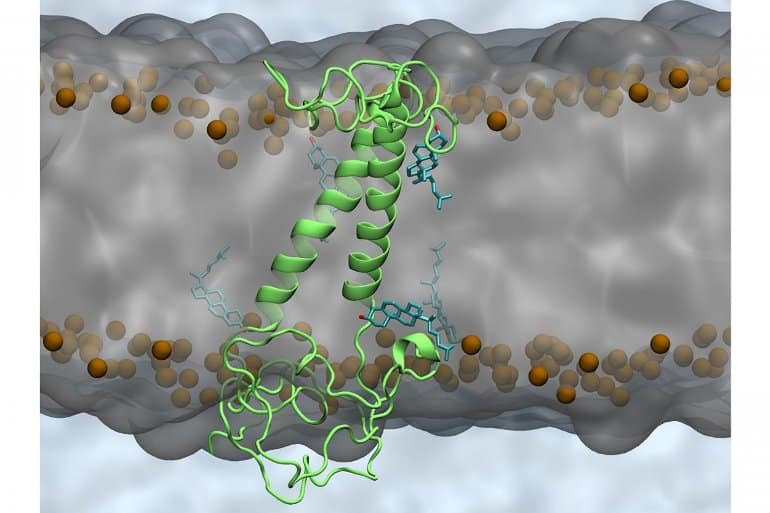 Study reveals the significant role lipids play in regulating the amyloid pathway protein C99 and the progression of Alzheimer's disease.
New Treatment Stops Progression of Alzheimer's Disease in Monkey Brains
Neuroscience News - 15 Jun 2021 22:35 Elderly monkeys treated with CpG ODN had 59% fewer deposits of Alzheimer's related plaques in their brains compared to those who did not receive the treatment. The treatment also helped improve cognitive function and slo...
Alzheimer Disease Research Results Over-Hyped if Science Papers Omit Mice From the Title
Neuroscience News - 15 Jun 2021 22:19 A review of Alzheimer's research papers finds news media is more likely to report on breakthroughs if the study's authors omit a reference to mice in their title. Papers that acknowledge mice in their title receive less ...
The other particle detector
Symmetry Magazine - 15 Jun 2021 22:08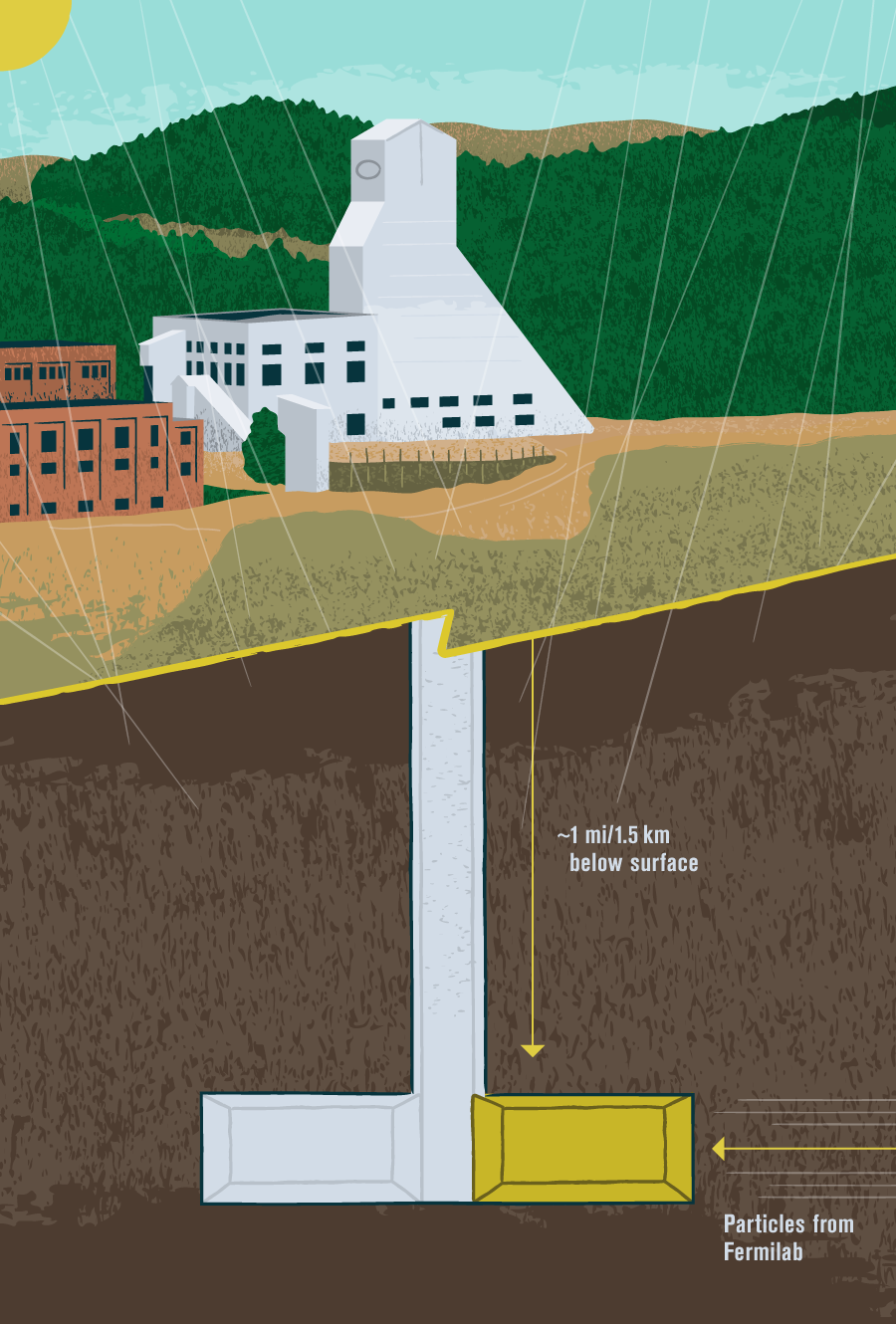 When studying mysterious subatomic particles, researchers use a different kind of particle detector to prevent run-of-the-mill dust particles from getting in the way. If you've got physics on your brain, there's a good c...
Two Decade Analysis of African Neuroscience Research Prompts Calls for Greater Support
Neuroscience News - 15 Jun 2021 21:56 Scientists are calling for greater support for neuroscience research in Africa. With the world's largest genetic diversity, researchers say Africa is vital to help progress neuroscience and brain disease research.
COVID-19 was spreading in the US by December 2019, mounting evidence suggests
Live Science - 15 Jun 2021 21:39 The new findings suggest the virus may have been circulating in Illinois as early as Dec. 24, 2019.
What Makes Us Sneeze?
Neuroscience News - 15 Jun 2021 21:26 Findings from a mouse study reveal specific cells and proteins that control the sneeze reflex.
Researchers 3D-print rotating microfilter for lab-on-a-chip applications
Phys.org - 15 Jun 2021 20:58 Researchers have fabricated a magnetically driven rotary microfilter that can be used to filter particles inside a microfluidic device. They made the tiny turning filter by creating a magnetic material that could be used...
Antarctica was likely discovered 1,100 years before Westerners 'found' it
Live Science - 15 Jun 2021 19:28 An analysis of Māori oral traditions and artwork suggests that they found Antarctica before the Europeans did.
Hippos and anthrax
Science Daily - 15 Jun 2021 19:23
Hippopotamus aren't the first thing that come to mind when considering epidemiology and disease ecology. And yet these amphibious megafauna offered ecologists a window into the progression of an anthrax outbreak that str...
For transplant recipients, third time may be the charm for better COVID vaccine protection
Science Daily - 15 Jun 2021 19:23
In a new study, researchers say they believe that, for the first time, there is evidence to show that three doses of vaccine increase antibody levels against SARS-CoV-2 -- the virus that causes COVID 19 -- more than the ...
Use of PFAS in cosmetics 'widespread,' new study finds
Science Daily - 15 Jun 2021 19:22
Many cosmetics sold in the United States and Canada likely contain high levels of per- and polyfluoroalkyl substances (PFAS), a potentially toxic class of chemicals linked to a number of serious health conditions, accord...
Stem cell scientists make big progress in building mini-kidneys
Science Daily - 15 Jun 2021 19:22
Researchers have created what could be a key building block for assembling a synthetic kidney. They describe how they generate rudimentary kidney structures, known as organoids, that resemble the collecting duct system t...
Brain cell membranes' lipids may play big role in Alzheimer's progression
Science Daily - 15 Jun 2021 19:22
Links between lipid imbalance and disease have been established, in which lipid changes increase the formation of amyloid plaques, a hallmark of Alzheimer's disease. This imbalance inspired researchers to explore the rol...
Head impacts linked to imaging changes in youth football players
Science Daily - 15 Jun 2021 19:22
With pre-season football training on the horizon, a new study shows that head impacts experienced during practice are associated with changes in brain imaging of young players over multiple seasons.
Rapid exclusion of COVID-19 infection using AI, EKG technology
Science Daily - 15 Jun 2021 19:22
Artificial intelligence (AI) may offer a way to accurately determine that a person is not infected with COVID-19. An international retrospective study finds that infection with SARS-CoV-2, the virus that causes COVID-19,...
Common cold combats COVID-19, study finds
Science Daily - 15 Jun 2021 19:22
In a new study, the researchers found that the common respiratory virus jump-starts the activity of interferon-stimulated genes, early-response molecules in the immune system which can halt replication of the SARS-CoV-2 ...
Adults who skip morning meal likely to miss out on nutrients
Science Daily - 15 Jun 2021 19:22
Adults who skip breakfast are likely to miss out on key nutrients that are most abundant in the foods that make up morning meals, a new study suggests.
What makes us sneeze?
Science Daily - 15 Jun 2021 19:22
What exactly triggers a sneeze? A team has identified, in mice, specific cells and proteins that control the sneeze reflex. Better understanding of what causes us to sneeze -- specifically how neurons behave in response ...
Air pollution exposure during pregnancy may boost babies' obesity risk
Science Daily - 15 Jun 2021 19:22
New research shows pregnant women exposed to higher levels of air pollution have babies who grow unusually fast in the first months after birth, putting on excess fat that may put them at risk of obesity and related dise...
 Global
 Great Britain
 Indian
 South Africa